43 biotic and abiotic factors in an ecosystem worksheet
Choose an ecosystem to draw. In your drawing include the following: 10 different biotic factors . 5 different abiotic factors. Identify all 15 factors and label whether they are. biotic . or. abiotic . factors. Your picture should make sense. Ex.) There shouldn't be a polar bear in a sand desert! Color your picture for added value! Be ... 16. $1.50. PowerPoint Presentations. This PowerPoint show guides students through creating a graphic organizer that defines, illustrates, and labels the living (biotic) and nonliving (abiotic) factors in an ecosystem. The show moves forward with the click of a spacebar or mouse, so you can set the pace for your students.
Introducing the study of the relationships between biotic and abiotic factors in environments eco (G) root home, abode ecoclimate ecosystem ecotourism log, -o, y (G) suffix study of zoology epidemiology climatology Ecology Eco logy Ecosystem includes all abiotic and biotic factors in one particular environment Biotic Factors the living parts of an ecosystem Abiotic Factors the nonliving parts ...
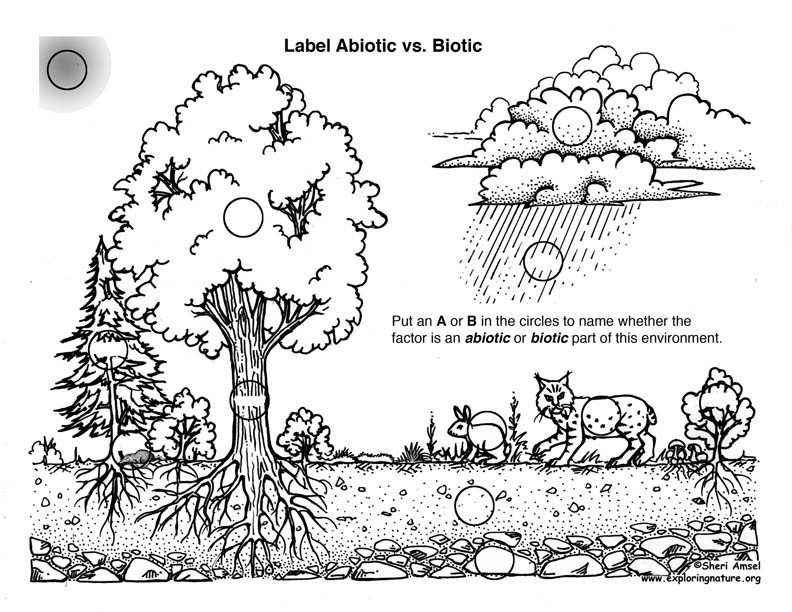
Biotic and abiotic factors in an ecosystem worksheet
Abiotic factors are those elements of an ecosystem which are non-living either physical or chemical such as water, air, soil or sunlight while biotic factors are those living organisms or once living and are capable of reproduction such as animals, plants, bacteria or birds. Lesson Worksheet: Abiotic and Biotic Factors. Start Practising. In this worksheet, we will practice describing and explaining the effect of biotic and abiotic factors on ecosystems. Q1: Conflict can arise between two species or organisms when they both require the same resource. Dependency Abiotic factors do not depend on biotic factors for survival Biotic factors depend on abiotic factors for survival. Limiting Factors Changes in abiotic factors may limit the growth and development of plants and animals. In some cases, it can affect an entire ecosystem. Because biotic factors are very dependent on abiotic factors
Biotic and abiotic factors in an ecosystem worksheet. Live worksheets > English. Elements (factors) of an ecosystem. Talk about the main elements that integrate an ecosystem. ID: 1916884. Language: English. School subject: English as a Second Language (ESL) Grade/level: Grade 4. Age: 9-14. Main content: Biotic and abiotic elements (factors) Sep 30, 2015 - This worksheet lets students draw an ecosystem near their home and then use that ecosystem to identify biotic and abiotic factors near their home. Students are also asked to identify a relationship between factors in order to think about how factors affect each other. ... What are the biotic factors and abiotic factors of an ecosystem? New vocabulary:producer, consumer and decomposer. Producer, consumer and decomposer worksheet ... forts and so on. The act of enhancing economic activities, coupled with some natural factors like; climate... the ecosystem at the Hon Mun Island. Use of Microsoft office tools like; Microsoft word and excel worksheet as well as Shannon Weiner’s index to calculate for the diversity of species in the area in quantitative...
When it comes to ecosystems, a mountain, a river, and a cloud have more in common than you might think. Abiotic factors have specific and important... A/B Categories worksheet that lists abiotic and biotic components for each group of students ... abiotic, biotic, ecosystem, population, limiting factors,. Biotic and abiotic factors ESL worksheet by anamago33 biotic and abiotic factors lesson plan middle school, biotic and abiotic factors worksheet 41 answer key, biotic and abiotic factors worksheet high school, biotic and abiotic factors in an ecosystem worksheet answer key, abiotic and biotic factors of different biomes worksheet answers, image source: eslprintables.com Abiotic and Biotic Factors Description This activity is a teacher led discussion followed by section 2 of the Ecosystems Worksheet. It is designed to inform students what makes up an ecosystem, and to introduce them to important ecological terms - organism, ecosystem, habitat, abiotic factors and biotic factors. 1.
8. $3.00. PDF. These 28 colorful Stability and Change in Ecosystems science task cards are aligned to the new 6th grade Utah SEEd Standards. Topics include: ecosystem interactions among organisms including abiotic and biotic (12 cards), energy in an ecosystem - food chains (6 cards), stability of populations/ ecos. Subjects: An ecosystem depends on the interactions of the living and nonliving elements in the system. The abiotic factors in an ecosystem are all the nonliving elements (air, water, soil, temperature) while the biotic factors are all the living organisms in that ecosystem. In an ecosystem, biotic factors include all the living parts of the ecosystem. Abiotic factors are all of the non-living things in an ecosystem. This quiz/worksheet combo will help test your understanding of them by asking multiple choice questions about what constitutes an ... In this worksheet we will practice describing and explaining the effect of biotic and abiotic factors on ecosystems. Our ecosystem is composed of living and non living things. For Students 9th - 10th. Ad Download over 20000 K-8 worksheets covering math reading social studies and more.
Biotic vs. Abiotic Activity
Since we know that ecosystems are made up of many interacting abiotic and biotic parts, those interactions must hold the key to what ecosystems can do. First, an ecosystem needs energy to work. Just like the computer you are using to read this, an ecosystem cannot function without energy. In many ecosystems, energy first enters...
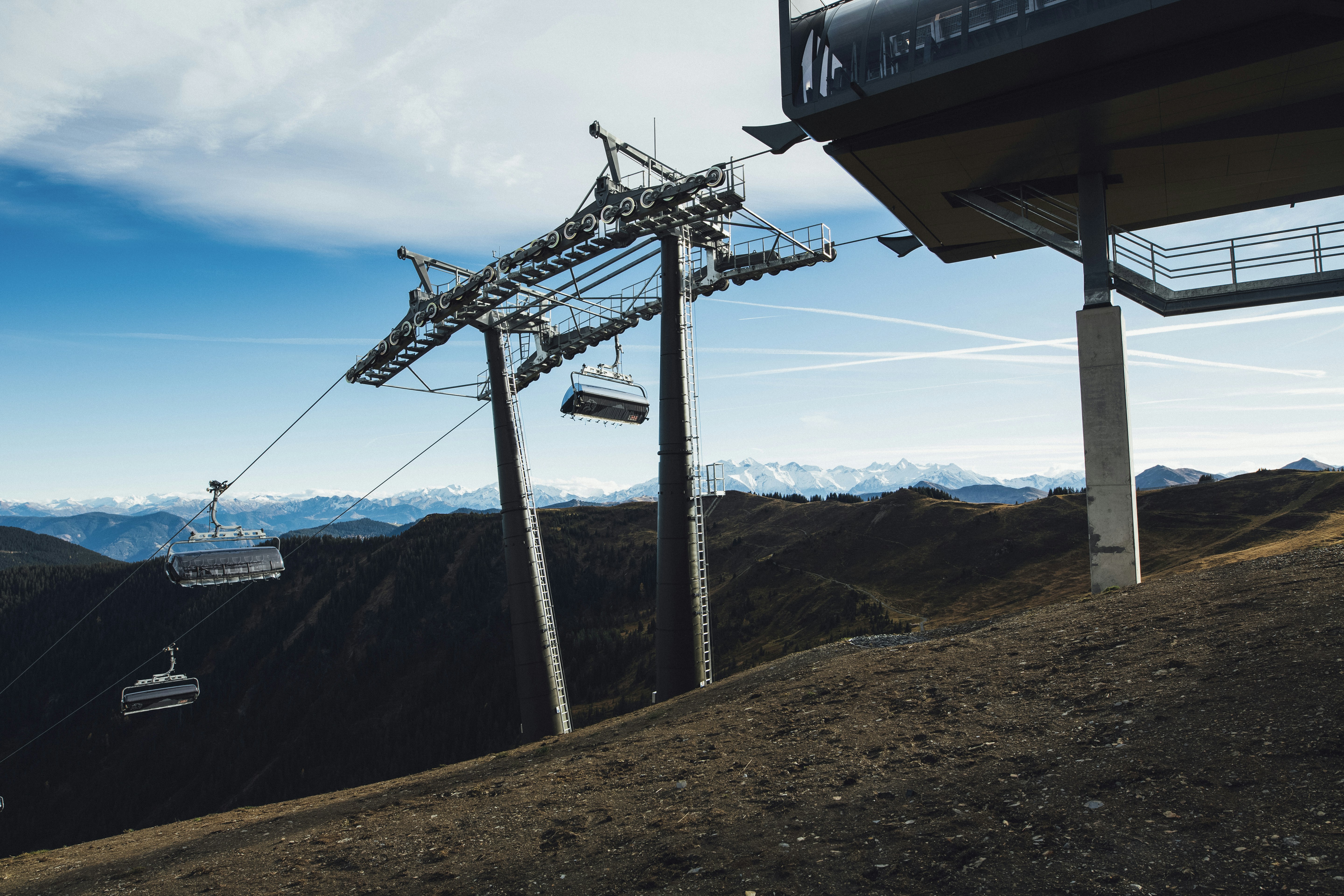
Thanks @adrian_infernus for borrowed this lens 20mm 1.4 SIGMA
Pond Ecosystem Claim, Evidence, Reasoning Prompt This CER worksheet allows students to deepen their understanding... involved in eutrophication. Recommended for: AP Biology Gizmo User from California This Gizmo can be used for several goals. I am using it to stress the interaction of biotic and abiotic factors. Recommended for... learning in math and science. STEM Cases, Handbooks and the associated Realtime Reporting System are... ...
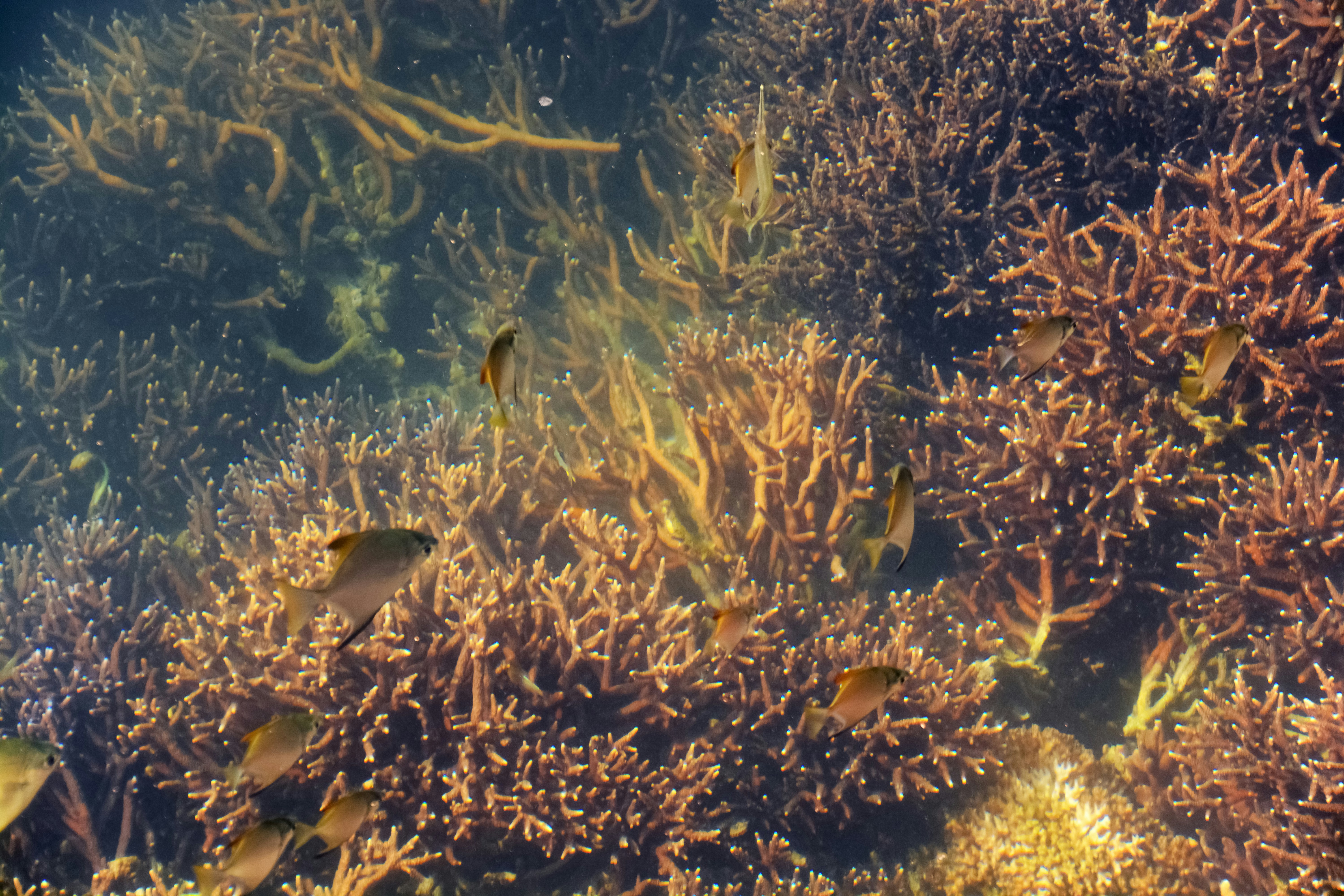
Noumea, New Caledonia
admin June 30, 2020. Some of the worksheets below are Abiotic Vs Biotic Factors Worksheets with Answer Keys, define and provide examples of abiotic and biotic factors of different ecosystems, abiotic and biotic factors reading comprehension with several interesting questions. Basic Instructions.
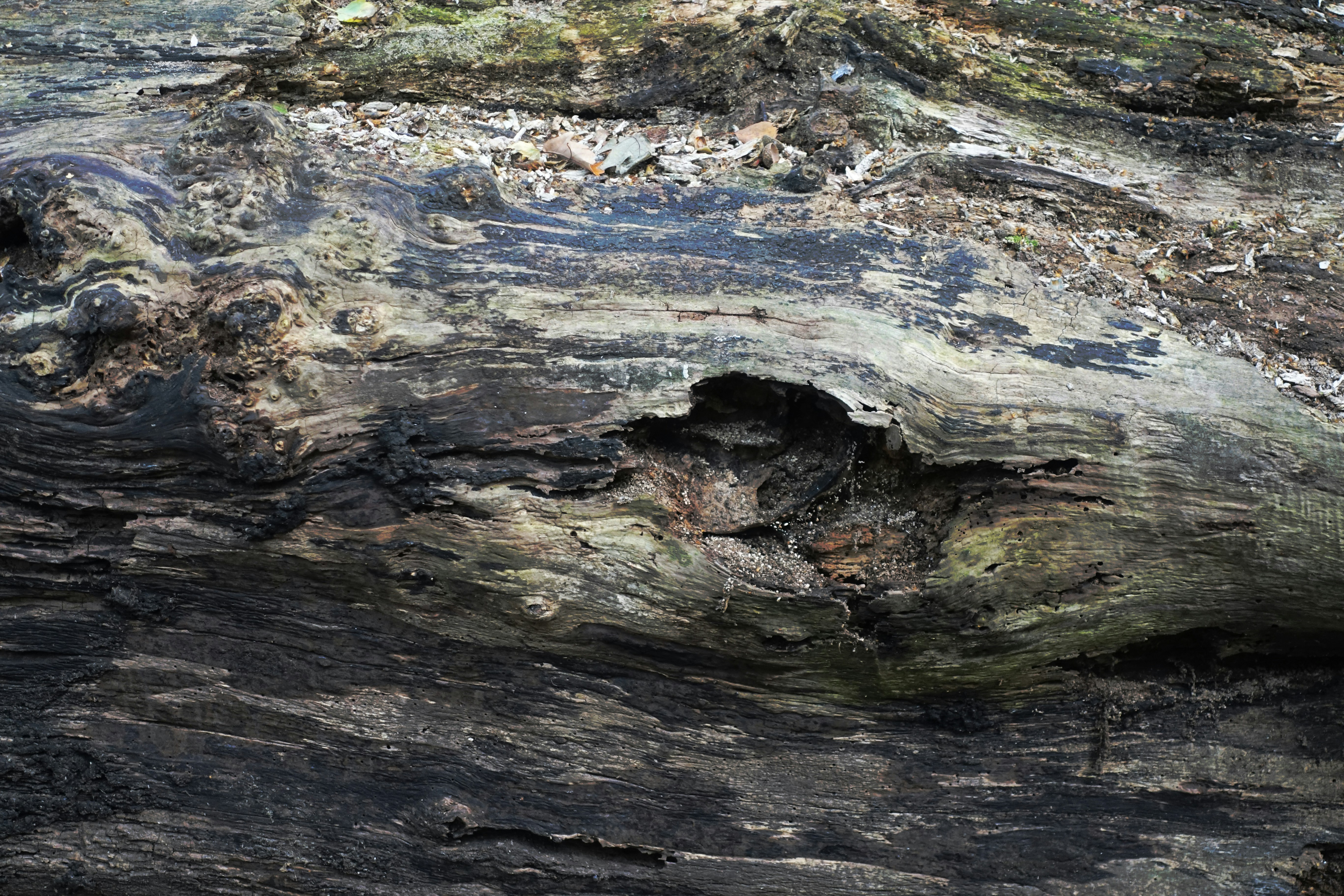
walking around the Nature Reserve we came across these log piles, left to rot, The dead wood creates an ecosystem for wildlife to flourish.
Browse our pre-made printable worksheets library with a variety of activities and quizzes ... abiotic factors; biomes; biotic factors; ecological factors.

Ecosystems (4 Spheres and Biotic/Abiotic Factors ...
ABIOTIC. BIOTIC Think of a pond ecosystem. List the abiotic factors you would find on the left and the biotic factors on the right of your paper. Abiotic (nonliving – never was alive) Biotic (living) List the abiotic and the biotic factors in the following image. Abiotic Factors Biotic Factors

M1 MacBook Air
Download Ebook Abiotic Vs Biotic Factors Worksheet Answer Key Abiotic Vs Biotic Factors Worksheet Answer Key If you ally infatuation such a referred abiotic vs biotic factors worksheet answer key book that will manage to pay for you worth, acquire the extremely best seller from us currently from several preferred authors.
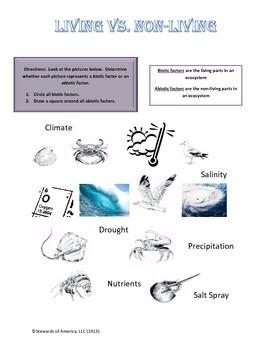
Intertidal Zone - Identifying Abiotic and Biotic Factors | TpT
Abiotic & Biotic Factors Abiotic, biotic factors, intro ecosystems and long term plot study. Day 1: Warm Up: Write down a list of things you KNOW about Biology LT: I can define Ecology and draw a model of Earth’s spheres.
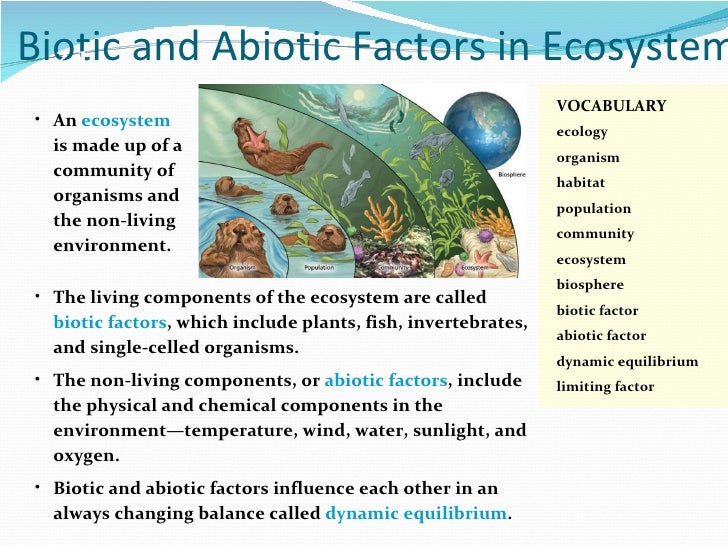
Chapter2
2. Distinguish between biotic and abiotic factors a. Biotic factors refer to all living things present in an ecosystem. Name three biotic factors necessary for our enclosed ecosystem. Animals, plants, decomposers b. Abiotic factors refer to all nonliving or physical factors present in an ecosystem. Name five or more abiotic factors necessary ...

Marketing workflow strategy
Although the existence of coral-reef habitats at depths to 165 m in tropical regions has been known for decades, the richness, diversity, and ecological importance of mesophotic coral ecosystems (MCEs) has only recently become widely acknowledged. During an interdisciplinary effort spanning more than two decades, we...
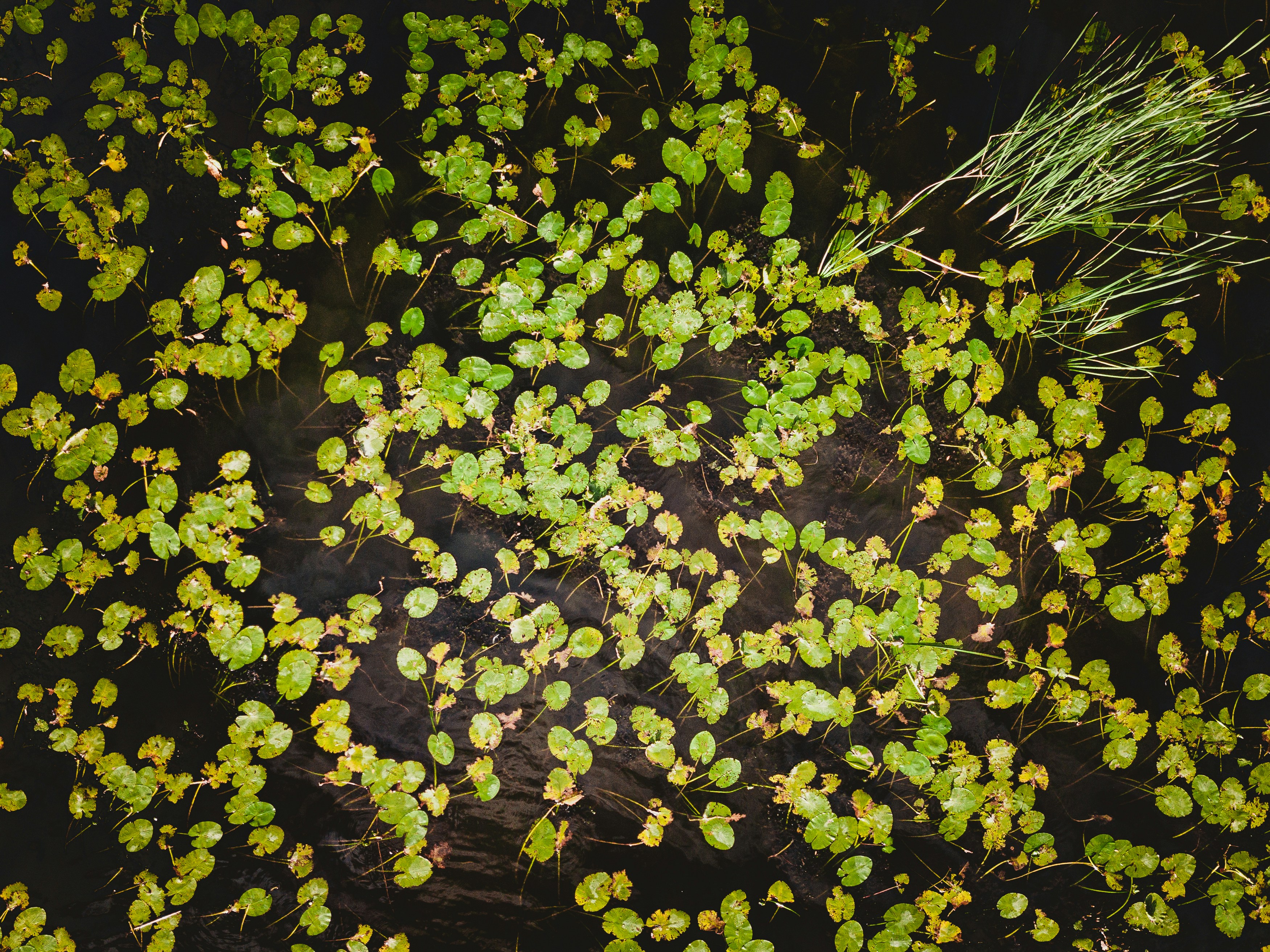
water lilies
In the center place what contains both biotic and abiotic factors (things that were once living but now they are not). Whale . Mushroom. Water . Desert. Paper . Glass . Temperature. Coral. Sand Clouds . Snail . Steak . Athletes Foot. Salad . Mold . Grass. Hair Ocean. Tree. Rocks. Dirt . Gold . Plastic . Grapes . Oxygen. Tundra. Comprehending… All biotic and abiotic factors are interrelated.
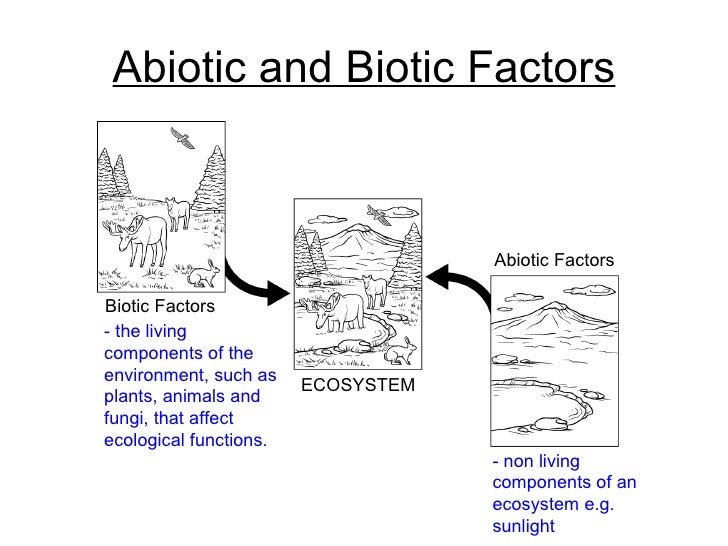
Chapter 21 Ecology Lesson 1 - Biotic and abiotic factors
Abiotic and Biotic Factors - Desert. This is the Acacia Tree. The diversity in the ecosystem depends on the abiotic and biotic factors that influence it. During the winter temps are usually 25 C, and it is usually very dry. Some biotic factors would include cacti, bushes, snakes, rodents and bugs. the fast winds.

Library Books Bookshelves
What are biotic factors? Earth's weather and climate; Non-living parts of an ecosystem; Living organisms in an ecosystem; Landforms and waterfalls.
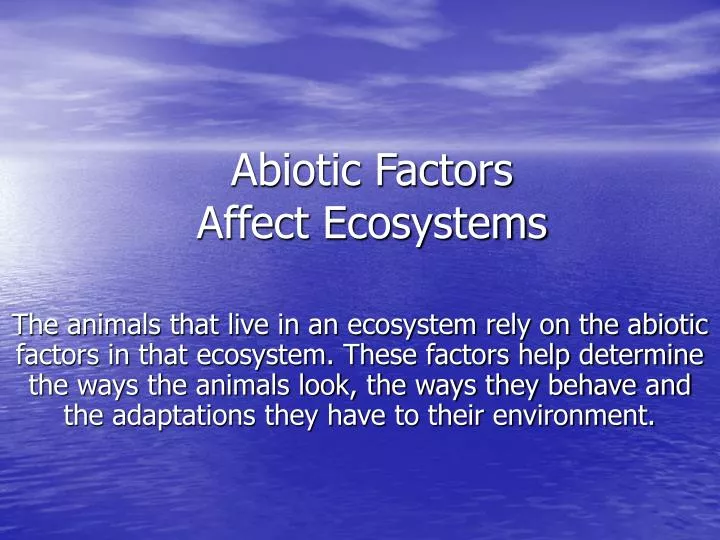
PPT - Abiotic Factors Affect Ecosystems PowerPoint ...
Vocabulary: Ecosystem, Abiotic, Biotic, Limiting Factors, Predation, Competition, Mutualism Learning Objectives Categorize biotic and abiotic components comprising ecosystems. Label trophic levels and energy flow in an ecosystem. Describe the role of limiting factors in shaping adaptations of organisms.
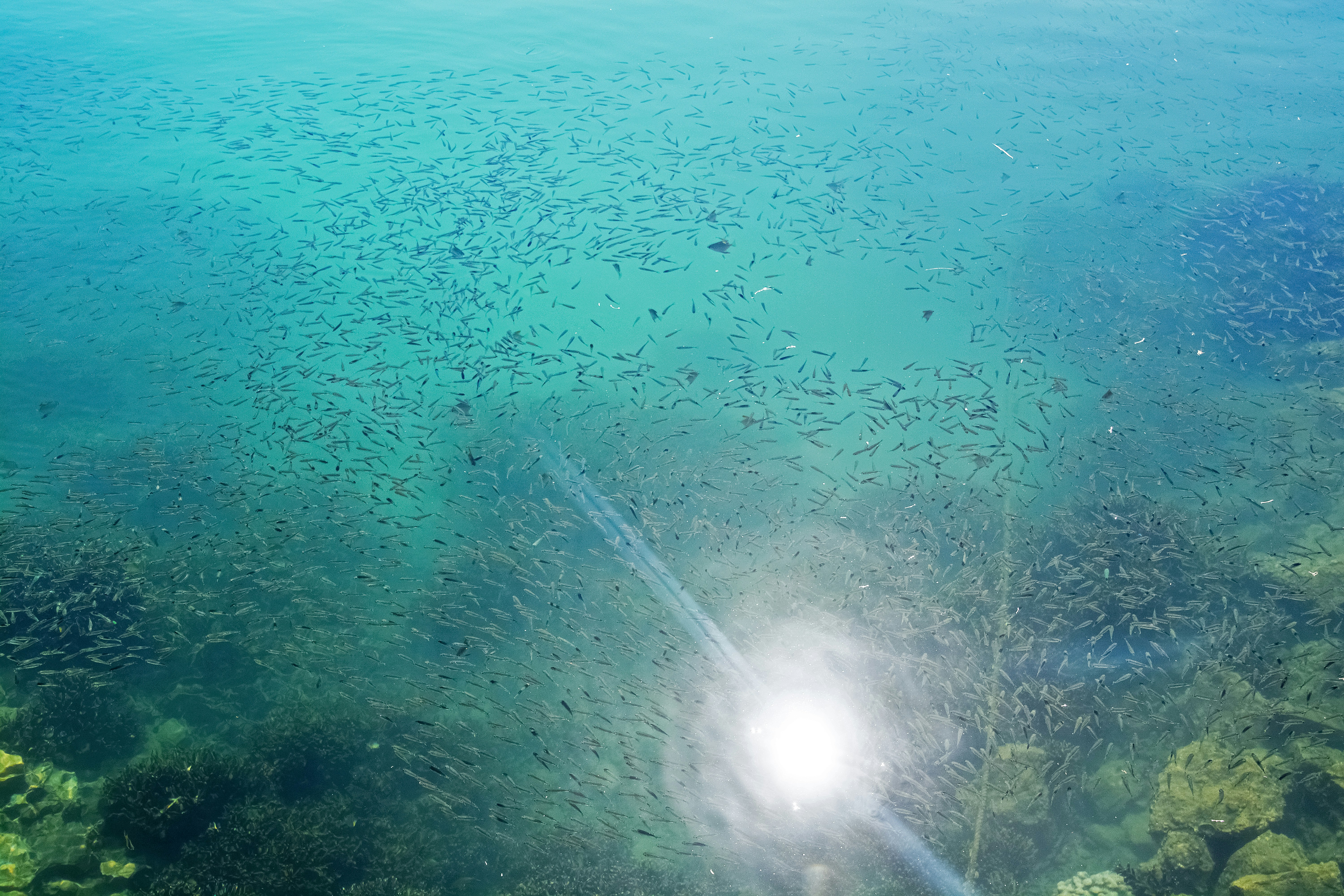
Noumea, New Caledonia
habitat in an effort to determine if the sound of streams entering a lake could be used as a homing cue for cutthroat trout. He also pointed out the critical lack of data on the ambient noise and fish sounds in freshwater systems. Fortunately, after long neglect there has been a recent surge in interest in the potential impacts...
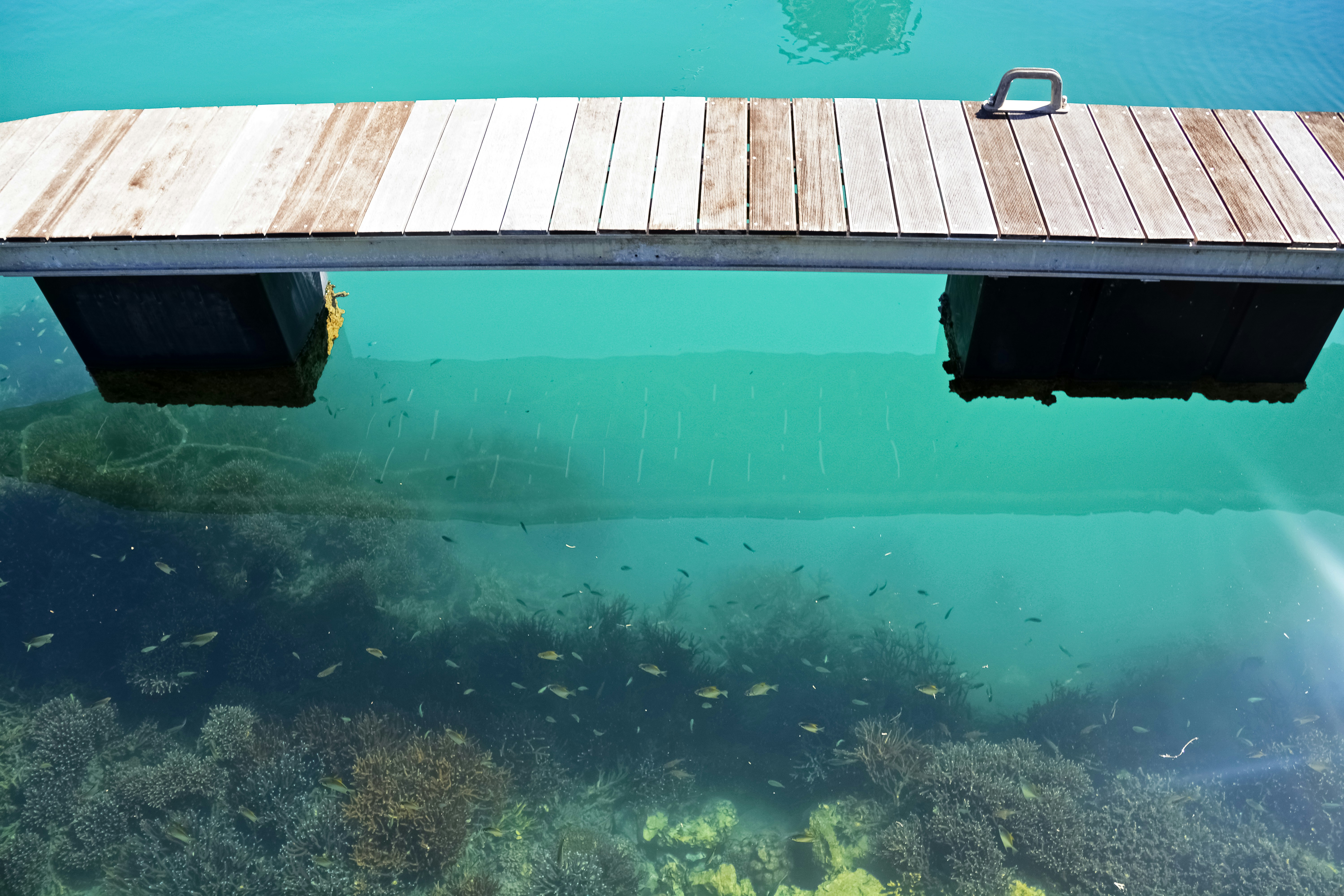
Noumea, New Caledonia
Download File PDF Abiotic Vs Biotic Factors Worksheet Answer Keyan ecosystem, such as precipitation, oxygen and sunlight. Biotic factors describe all the living components of an ecosystem, including various organisms. Abiotic Vs Biotic Factors Worksheets with Answer Keys ... Abiotic vs. Biotic Factors Worksheet. Page 10/60

Limiting Factors Worksheet | Homeschooldressage.com
Forest Ecosystem Identify the biotic and abiotic factors of the ecosystem Biotic Biotic factors of a forest ecosystem include all the living things present on the forest floor, trees, and even human beings. Abiotic Abiotic factors are sunlight, water, temperature, soil, salinity, climate etc. Predict what would happen if: a. there is a change in the population of one of the biotic components.
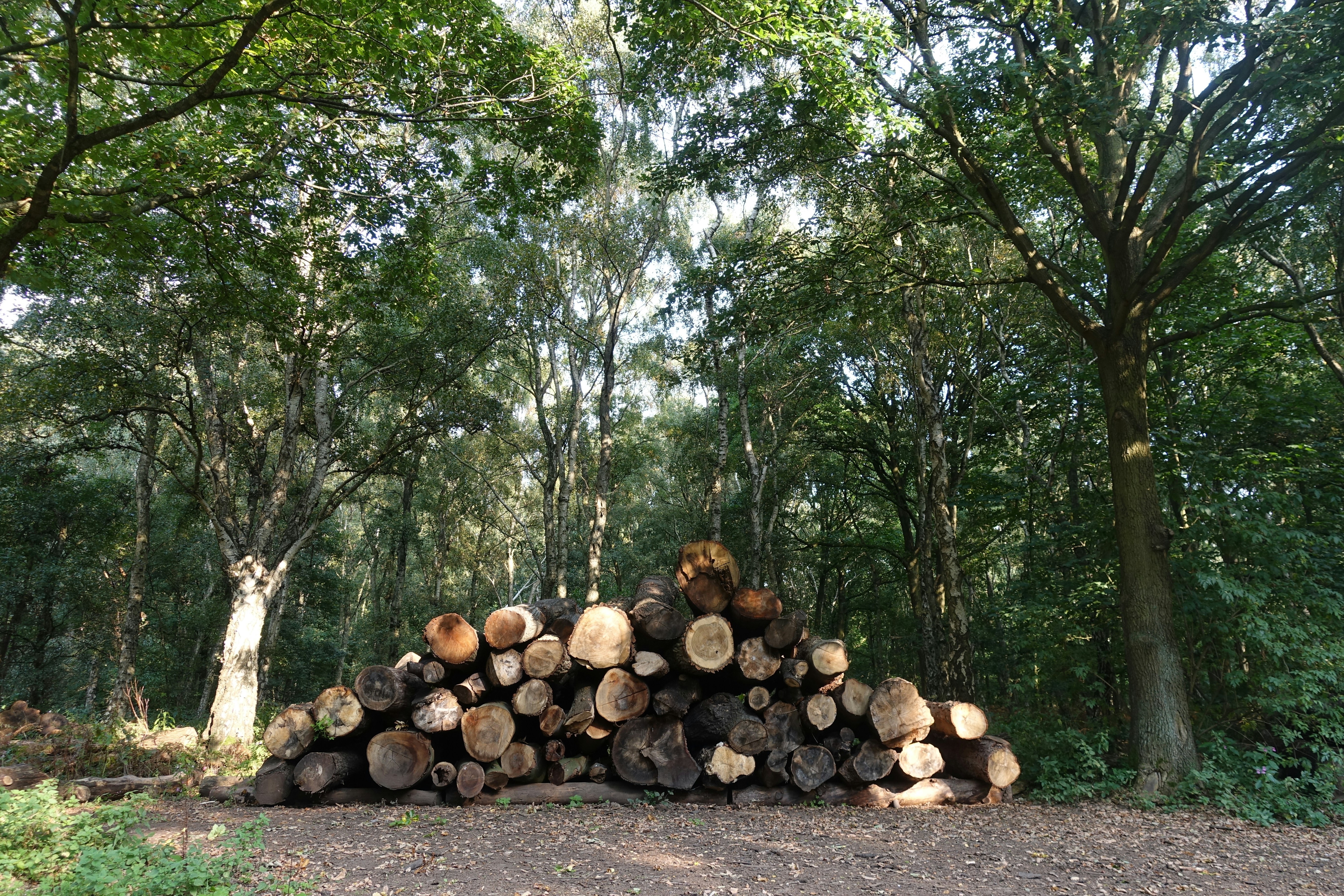
walking around the Nature Reserve we came across these log piles, left to rot, The dead wood creates an ecosystem for wildlife to flourish.
Abiotic and Biotic Assessment Sheet Answer Key 1. List 2 abiotic items in this mountain stream habitat. Abiotic factors are nonliving parts of an ecosystem. Example Answers: Rock Water Soil Temperature Air/Wind Sunlight 2. List 2 biotic items in this mountain stream habitat. Biotic factors are living parts of an ecosystem.

Ecosystem Worksheets | Biotic, Abiotic Lesson Resources
This product is designed to accompany my Biotic and Abiotic Factors in an Ecosystem PPT. This is the guided notes and student work that accompanies this lesson. Vocabulary: Ecosystem, Ecology, Biotic Factor, Abiotic Factor, biome. What's included: - 2 pages of guided notes (with vocabulary) - 4 p
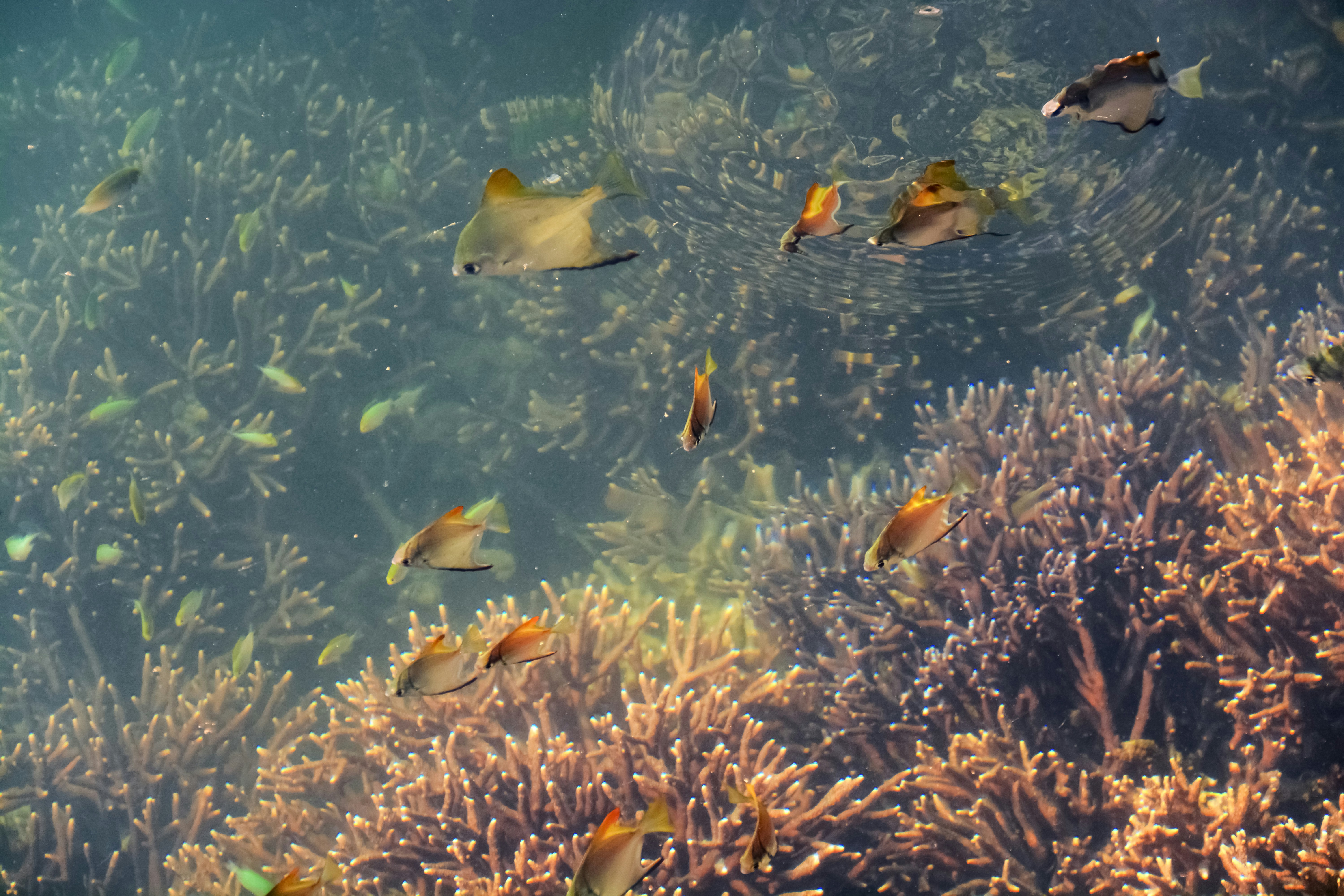
Noumea, New Caledonia
he diploid chromosome number of a dog, Canis familiaris, is 78. Which of the following rows correctly identifies the number of cells and chromosomes in each cell after the process of spermatogenesis has completed? Select one: a. # of Cells # of Chromosomes 3 26 b. # of Cells # of Chromosomes 1 39 c. # of Cells # of Chromosomes 2 78
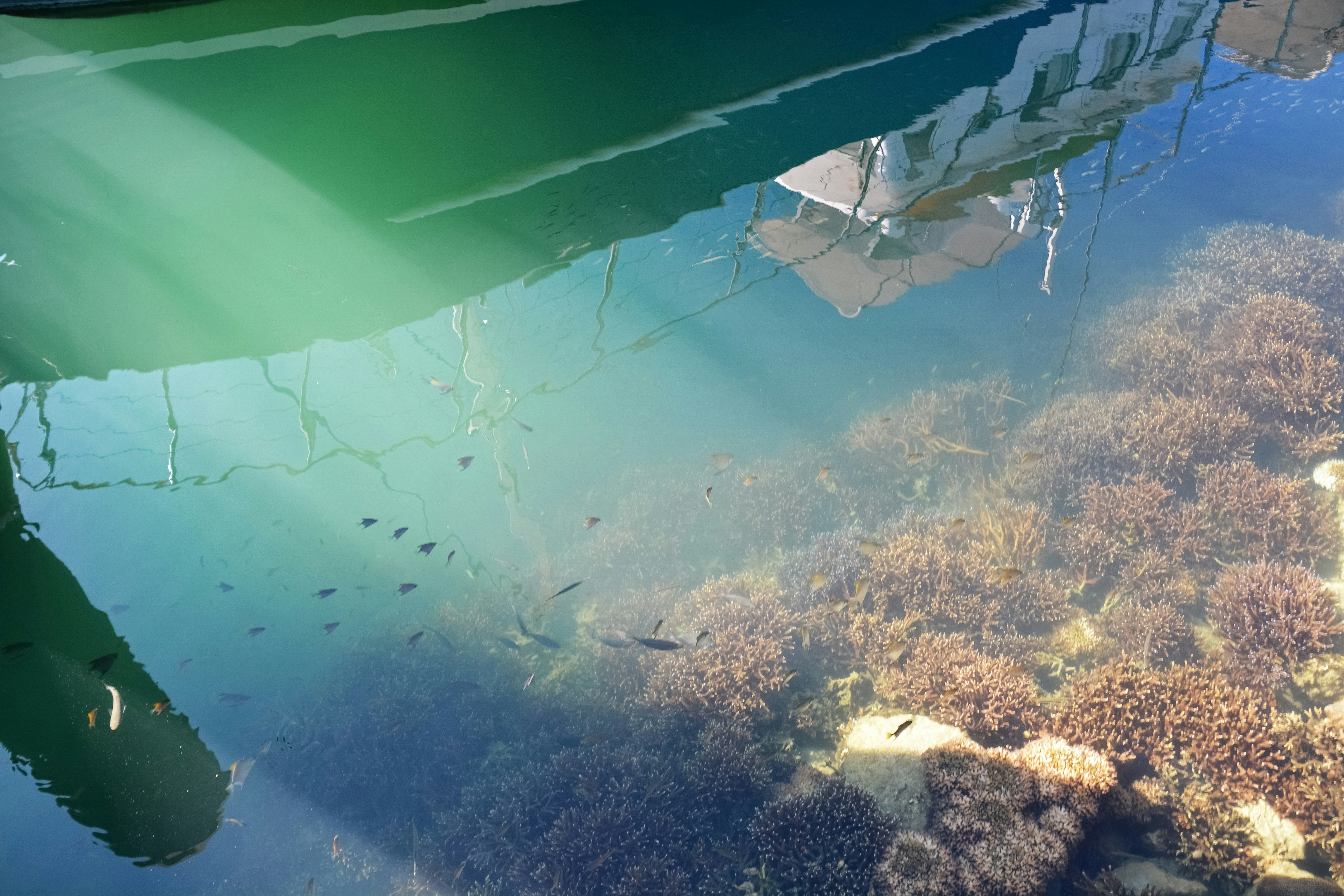
Noumea, New Caledonia
Complementary to this interagency effort within state government, University of Minnesota Extension and the University of Minnesota’s Water Resources Center coordinate the Climate Adaptation Partnership (CAP), which brings together federal and state agencies, organizations and individuals statewide with an interest in climate... ...
0 Response to "43 biotic and abiotic factors in an ecosystem worksheet"
Post a Comment